Table of Contents
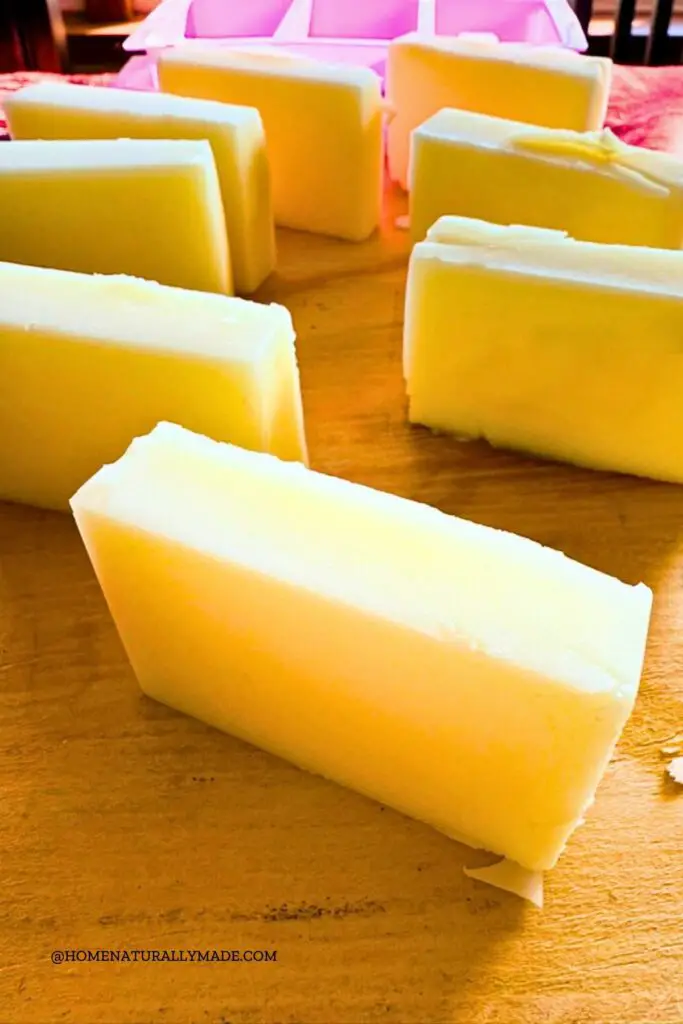
Homemade Castile Soap Bar for hair and body is easy to make and so healthy. I use different oil combinations to make two versions of my homemade Castile Soap Bar, one for hair and one for the body to nourish the hair and skin respectively.
Why Homemade Castile Soap Bar?
I stopped using consumer-packaged shampoo products around 2015 when I kick-started my healthier better lifestyle. Instead, I tried natural ways including using baking soda rinse, but found out it dries out hair too much. After a while, I settled on Castile Soap Bar. I would buy Castile bar soap made from organic cold-pressed oils. Needless to say, they are expensive, around $7 for a bar which lasts maybe 3 weeks since I wash my long hair every day. In addition, I do not get to choose what kinds of oil to be included in the bar soap.
Then one day my husband encouraged me to make DIY soap bar and said it didn’t seem that difficult when he watched several videos.
The truth is I have been making my lotion, toothpaste, exfoliating scrub, serum, hair oil, facial, lip balm, and all kinds of DIY personal care products for a while, but making soap rarely crossed my mind.
Now that I looked back, I definitely feel more comfortable about making products out of physical reactions vs. chemical reactions. When I was at school age, I was more drawn to physics vs. chemistry.
How to make Castile Soap Bar at home?
But it turns out that making Castile Soap Bar is easier than I thought. At a high level, all you need to do is dissolve the lye in water and then combine it with the oil. Then blend them and pour the mixture into soap molds.
However, because the process of dissolving lye in the water creates a huge amount of heat, you do need to be careful about the steps.
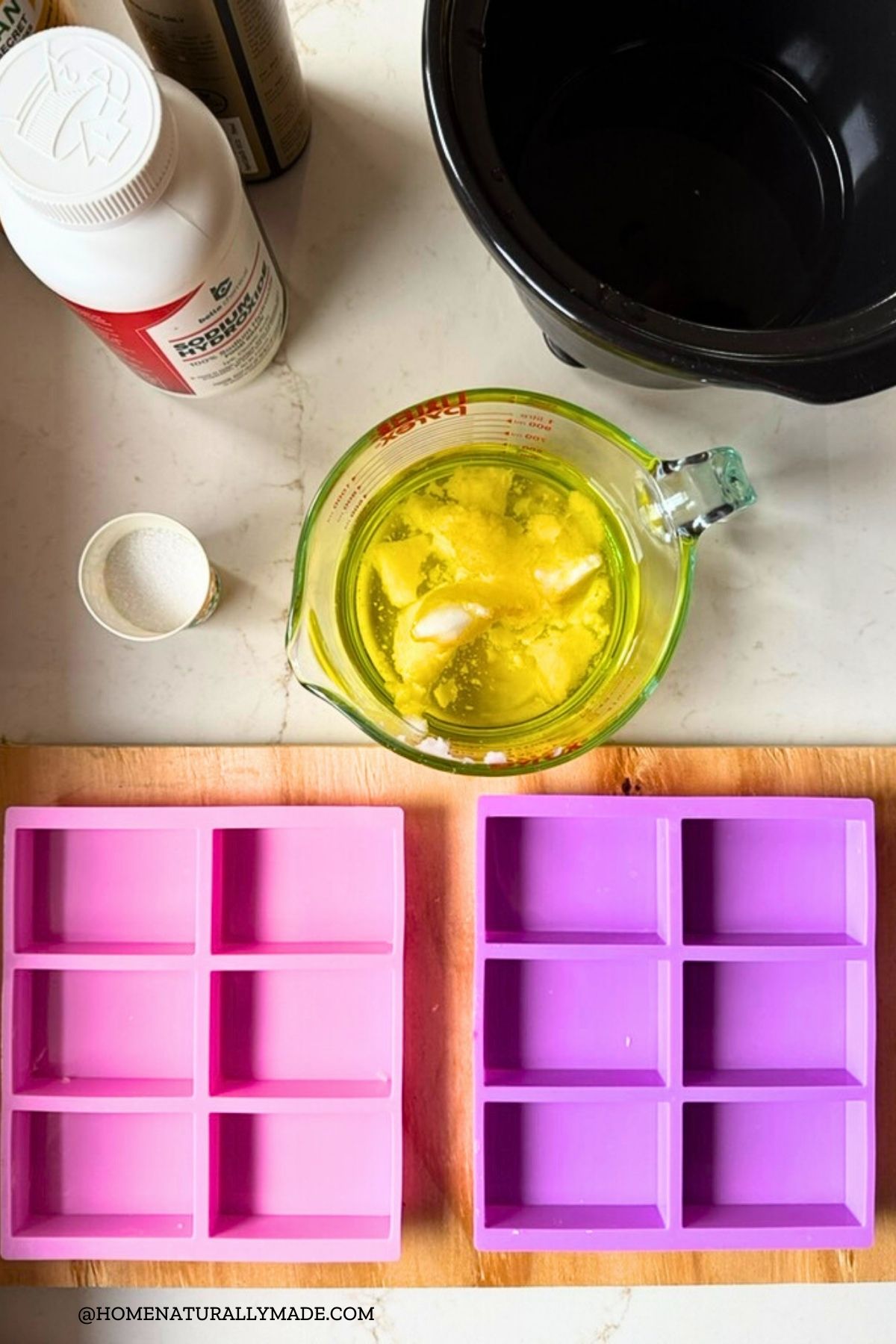
- Step One – Dissolve lye (Sodium Hydroxide) in water. This process generates loads of heat, therefore always add a small amount of Sodium Hydroxide (about 1 tsp) at a time to the distilled water, and stir to blend before adding the next batch.
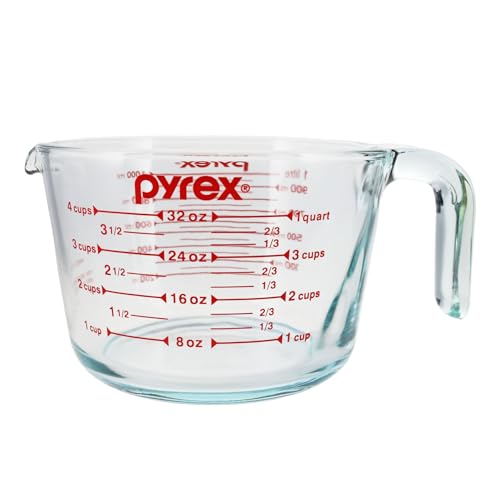
- Step Two – Heat the oil in a glass measuring cup. I found this Pyrex 4-cup glass measuring cup extremely handy.
- Step Three – Slowly pour the lye solution into the oil.
- Step Four – Use an immersion hand blender to blend the combination until it shows consistency. But remember not to over-blend. It needs to be pourable.
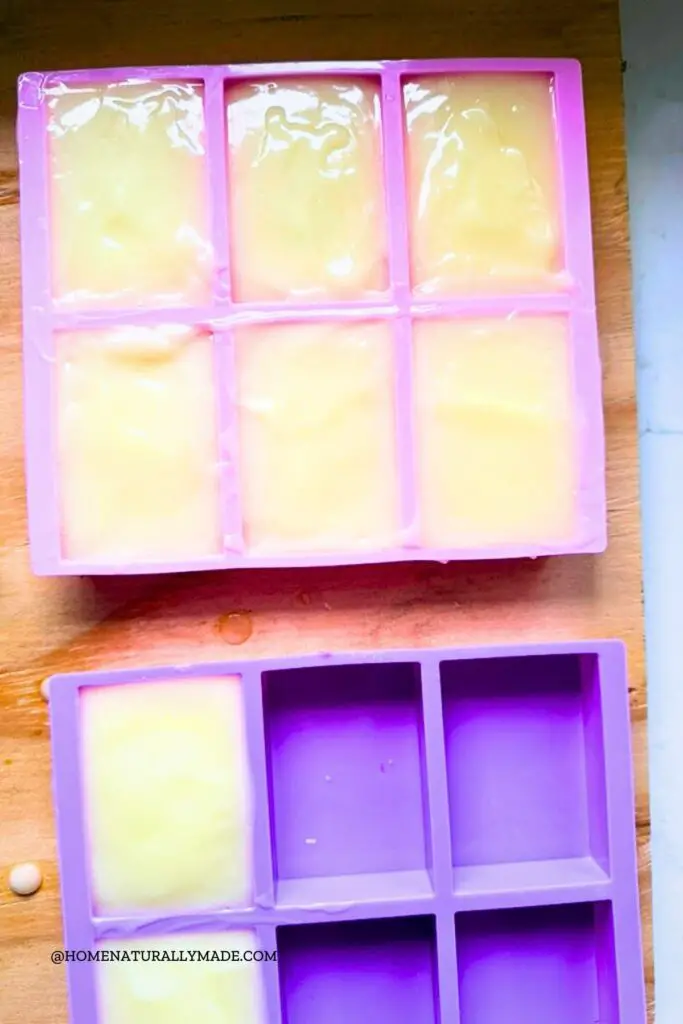
- Step Five – Pour the mixture into soap molds and let it solidify. Once it is solidified, in about 2 days, remove the soap from the molds and let it cure over the next 4 weeks.
What oils to use when making Castile Soap Bar for Shampoo?
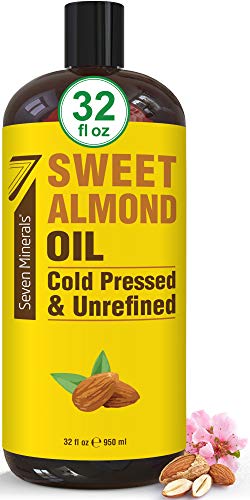
I use sweet almond oil as the base carrier oil, as well as coconut oil, shea butter and castor oil. Castor oil is especially good for hair as it contains special fatty acid concentrations that prevent hair loss and boost hair growth.
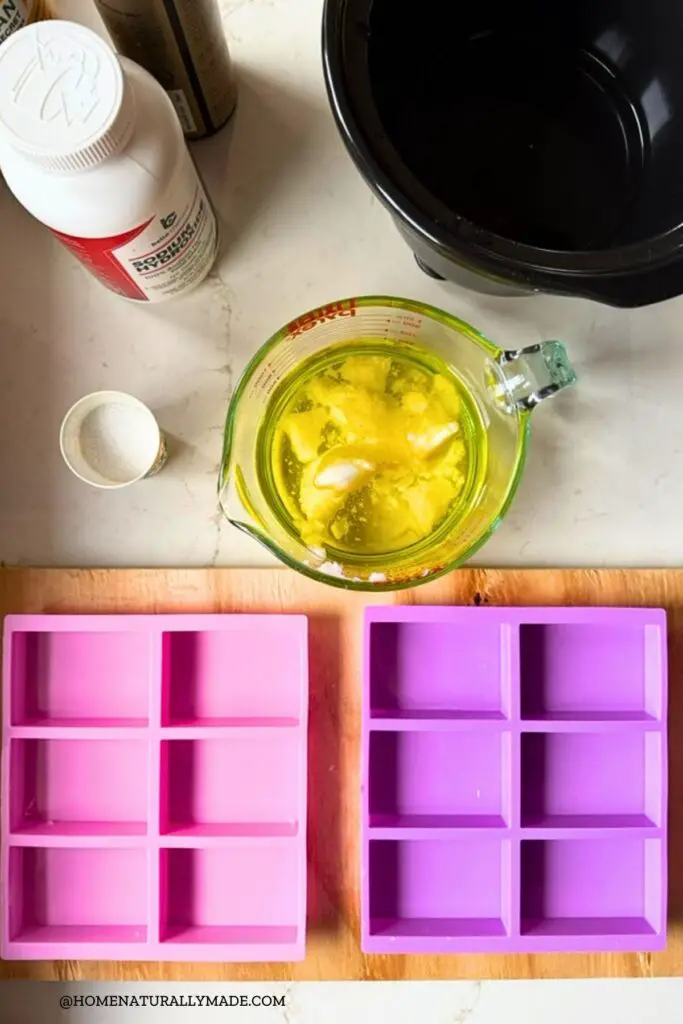
For body soap, I still use sweet almond oil as the base carrier oil and add coconut oil, shea butter and jojoba oil. Jojoba oil is extremely powerful for hydrating and nourishing the skin.
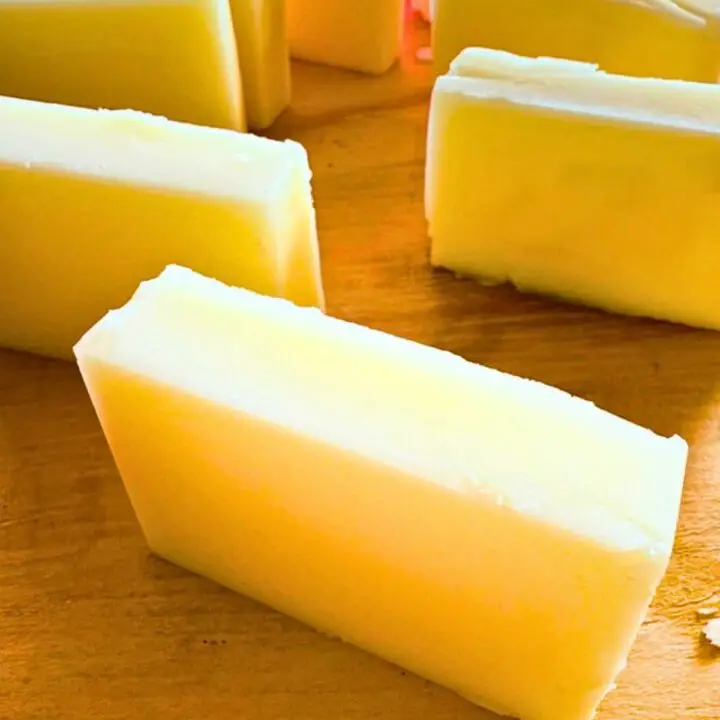
Homemade Castile Soap Bar for Hair and Body
Homemade Castile Bar Soap for hair and body is easy to make and so healthy. I use different oil combinations to make two versions of my homemade castile bar soap, one for hair and one for the body to nourish the hair and skin respectively. This recipe makes 8 regular-sized bar soaps.
Materials
- Lye (Sodium Hydroxide) 2.2 oz
- Distilled water 5.5 oz
For Shampoo Castile Soap Bar
- Sweet almond oil, 8 oz
- Coconut oil 5 oz
- Shea butter 2 oz
- Castor oil 1 oz
- Essential oil, a few drops, such as lavender, rosemary, lemongrass, tea tree, eucalyptus
For Body Wash Castile Soap Bar
- Sweet almond oil, 8 oz
- Coconut oil 4 oz
- Jojoba oil 2 oz
- Shea butter 2 oz
- Essential oil, a few drops, such as geranium, rose
Tools
- Immersion Hand Blender
- 4-cup glass measuring cup
- slow cooker inner ceramic container
- Digital scale
Instructions
- Add 5.5 oz distilled water to the inner ceramic container of a slow cooker.
- Measure out 2.2 oz lye and slowly add to the distilled water to dissolve. Add 1 tsp at a time, and stir to mix well before adding the next batch.

- Add all the oil to the 4-cup glass measuring cup. Add some water to a deep frying pan or wok, bring it to a boil, and turn it to medium, add a rack to the pot/pan, and then place the measuring cup with the mixture of oil on top of the rack. Stir to mix until the coconut oil and shea butter are fully melted and the whole oil mixture is heated to about 100 F. Turn off the heat and remove the oil.
- Add the lye solution slowly to the oil mixture. I usually add about 1/4 cup, stir, and mix well before adding the next batch.
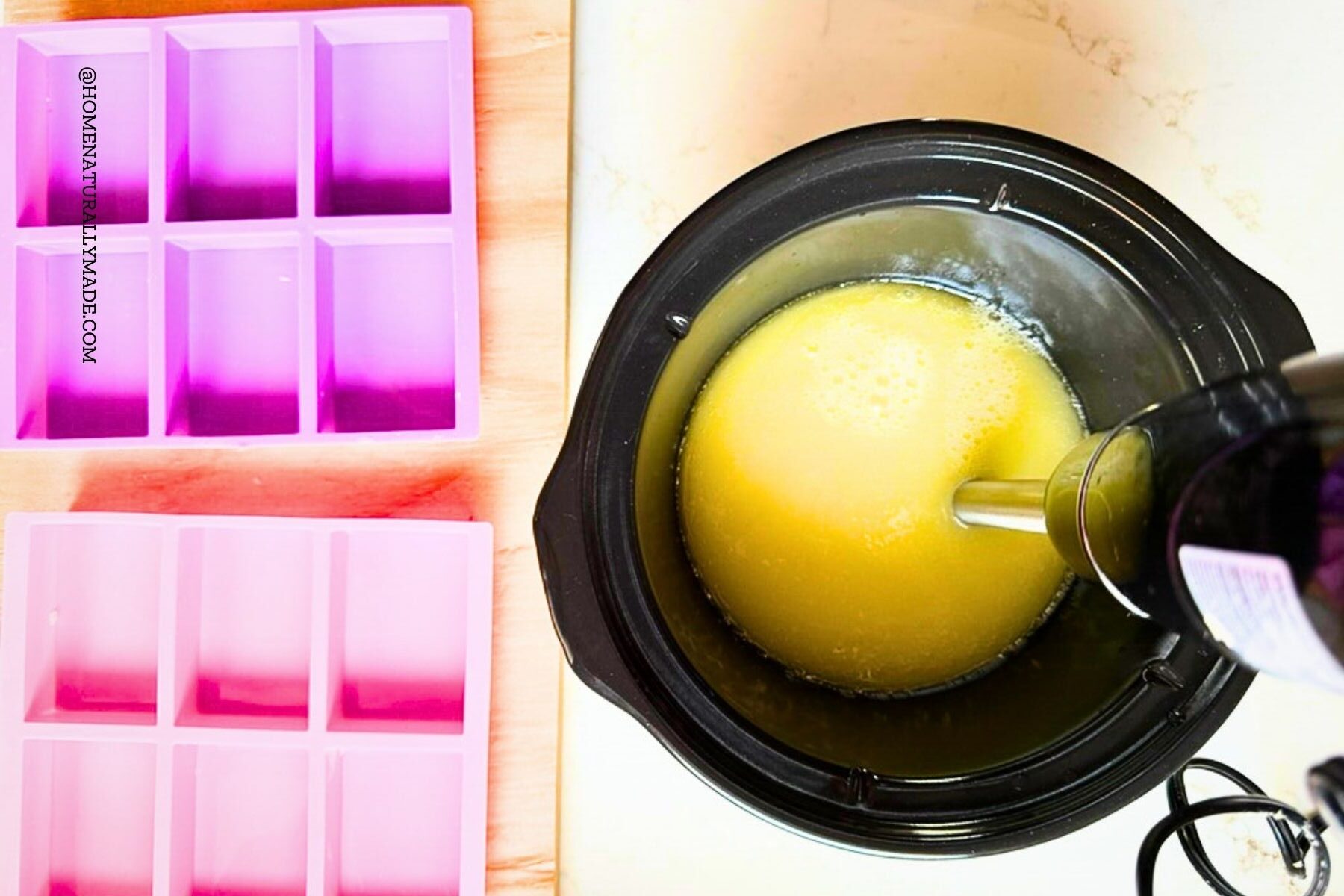
- After you've poured all the lye solution into the oil, pour the solution mixture back into the slow cooker which has a ceramic inner container. Scape the glass measuring cup clean using a silicone spatula.

- Attach the hand-held immersion blender and blend the mixture until it has a consistent texture. Please make sure you do not overdo it, the mixture should still be pourable easily. Do 30 seconds at a time and test.

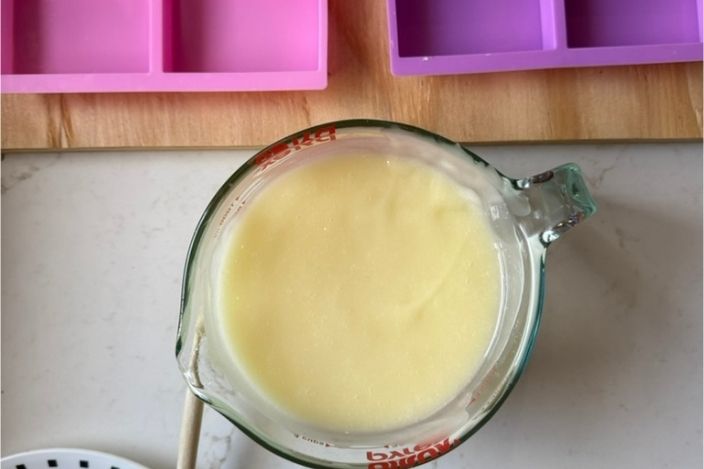
- Pour the mixture back into the glass measuring cup. This is for easier pouring into the soap molds. Place the soap molds on a plank and fill the soap molds with the mixture to the top. This recipe makes about 8 standard Castile bar soap. Remember to stir the mixture vigorously each time before pour into the mold. This ensures the consistency of the soap.
- Leave the soap mixture in the molds overnight. The following day, remove the soap bar from the molds and then let it cure on a rack. The curing process takes 4-6 weeks.
Notes
- For shampoo soap bar, almost oil helps moisturing the hair to have a sikly feel. The coconut oil adds cleansing and harness to the bar. The shea butter further adds hardness to the bar as well as creaminess. The castor oil boosts lather and conditioing the hair.
- The shampoo soap bar uses 16 oz oil. The water to lyle's ratio is 2.5:1 which helps curing process faster. This gives about 6-7% super-fat, which is the sweet spot for mildness without making the sopa bar too soft.
- The key difference between the two versions is castor oil for hair and jojoba oil for body. Jojoba oil mimics skin's natural sebum, so it is excellent for body use.
- The soap needs time to cure or age first. When we first make caastile soap (oil + lye + water), the chemical reaction called saponification begins - this is where the lye (sodium hydroxide) reacts with the oils to form soap and glycerin. At first, the mixture still contains some unreacted lye and a lot of water. over the next 4 weeks, the remaining lye fully reacts, water slowly evaporates and the bar hardens and comes milder and longer-lasting.
- You do not want to use the soap bar too soon. It may still be caustic and can cause itchingm drynessm or even a burning feeling due to the high pH and/or lye irritation. Besides, the soap bar won't clean or rinse well.
Please remember to stir the soap mixture really well each time before pouring into the mold cavity. Otherwise, the seperation of the oil and the lye solution may happen. As a result, the top of the soap may harden prematurely while the bottom of the sopa remains mushy. This also will cause the difficulty of removing the soap from the mold.
Recommended Products
As an Amazon Associate, I earn a small amount of commission from the qualifying purchases.